


Hydrangea Seeds
Hydrangea Seeds
Couldn't load pickup availability

Hydrangea Seeds
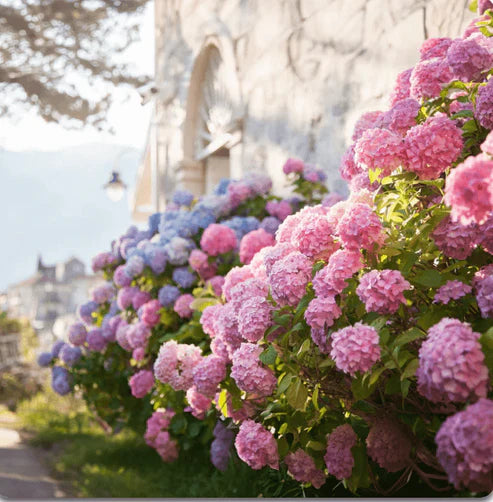
Transform your garden with the breathtaking beauty of hydrangeas. Their enormous, long-lasting flower-heads bring months of vibrant color, making them perfect for a stunning centerpiece or a lush hedge. Ideal for shady spots, these easy-care plants thrive without fuss, remaining pest and disease-free. With hydrangeas, you'll enjoy effortless elegance and charm all season long.🌼
Hydrangea Care
How to Change the Color of Hydrangeas?
Soil content is important for Hydrangeas because it should drain well yet also maintain sufficient moisture. Also, the acidity levels of the soil will have a direct impact on the color of your flowers. For deep blue flowers, keep pH below 5.5. For pink or red flowers neutralize soil to pH 7.0 or higher. Add lime to raise soil pH if you want to grow pink flowers. If you want blue flowers, add sulfur to lower the soil's pH.
When Should I Water My Hydrangeas?
Give your Hydrangea an inch of water each week. This includes any rainfall. If you're not sure when and how much to water, simply check the surrounding soil about 2 inches down. If the soil is dry here, it's time to water until it's moist.
Planting Directions
About Hydrangea
-
Seed Stratification: Hydrangea seeds often benefit from a period of cold stratification to break dormancy. Place the seeds in a moist paper towel or in a container with moist vermiculite or peat moss. Seal the container or wrap the towel in a plastic bag and refrigerate it for 4-6 weeks. This mimics the winter conditions required for germination.
-
Soil Preparation: Choose a well-draining soil mix that is rich in organic matter. Hydrangeas prefer slightly acidic to neutral soil. Ensure the soil is loose and fertile to support healthy root development.
-
Seed Sowing: After the stratification period, sow the seeds on the surface of pre-moistened soil. Lightly press them into the soil without covering them completely. Keep the spacing between seeds according to the recommended distance.
-
Light and Temperature: Hydrangea seeds require light for germination, so do not bury them. Place the trays or pots in a location that receives bright, indirect light. Maintain a consistent temperature of around 70-75°F (21-24°C) for optimal germination.
-
Watering: Keep the soil consistently moist but not waterlogged. Avoid overwatering, as it can lead to rotting of the seeds. Use a spray bottle or misting technique to water gently and prevent dislodging the seeds.
-
Germination Time: Hydrangea seeds can take several weeks to months to germinate, so be patient. Maintain the necessary conditions and monitor the trays or pots regularly for signs of germination.
-
Transplanting: Once the seedlings have developed several true leaves and are large enough to handle, transplant them into individual pots or containers with well-draining soil. Continue providing them with appropriate care, including adequate light, water, and temperature.
How to Change the Color of Hydrangeas?
Soil content is important for Hydrangeas because it should drain well yet also maintain sufficient moisture. Also, the acidity levels of the soil will have a direct impact on the color of your flowers. For deep blue flowers, keep pH below 5.5. For pink or red flowers neutralize soil to pH 7.0 or higher. Add lime to raise soil pH if you want to grow pink flowers. If you want blue flowers, add sulfur to lower the soil's pH.
When Should I Water My Hydrangeas?
Give your Hydrangea an inch of water each week. This includes any rainfall. If you're not sure when and how much to water, simply check the surrounding soil about 2 inches down. If the soil is dry here, it's time to water until it's moist.


Frequently Asked Questions
What types of seeds do you offer?
What types of seeds do you offer?
We offer a wide selection of vegetable, herb, flower, and root crop seeds suitable for gardeners of all experience levels.
Can I grow these seeds in containers?
Can I grow these seeds in containers?
Absolutely. Many of our vegetables, herbs, and flowers thrive in pots, raised beds, and small-space gardens.
Are your seeds suitable for beginners?
Are your seeds suitable for beginners?
Yes. Many of our seed varieties are easy to grow and ideal for first-time gardeners.
When is the best time to plant my seeds?
When is the best time to plant my seeds?
Planting times vary by variety and climate. We recommend checking the growing information provided on each product page.
Do your flower seeds attract pollinators?
Do your flower seeds attract pollinators?
Many of our flower varieties help attract bees, butterflies, and other beneficial pollinators to your garden.
How should I store unused seeds?
How should I store unused seeds?
Store seeds in a cool, dry place away from direct sunlight. Proper storage helps maintain seed quality and viability.
What are heirloom seeds?
What are heirloom seeds?
Heirloom seeds are open-pollinated varieties that have been passed down through generations and are valued for their unique flavors, colors, and characteristics.
Why choose Seedora Garden?
Why choose Seedora Garden?
We carefully select quality seeds and gardening essentials to help gardeners grow with confidence and enjoy rewarding harvests season after season.